
In an era of increasing social fragmentation and digital isolation, community education programs offer something increasingly rare: physical spaces where diverse people gather around shared intellectual interests. These programs, often modest in scale and local in reach, play an outsized role in building and maintaining healthy communities.
Community education encompasses various forms: adult education centers, library programs, community college noncredit courses, and local learning initiatives. What unites them is accessibility, local focus, and commitment to learning as community building rather than just individual advancement. They create what sociologist Ray Oldenburg called "third places"—social environments distinct from home and work where community connection happens organically.
Historical Context
Community education has deep roots in American society. Chautauqua assemblies brought education and culture to rural communities in the late 19th century. Settlement houses provided immigrant education and community services in early 20th century cities. Public libraries evolved from book repositories into community learning centers. The Cooperative Extension System connected universities with rural communities, sharing knowledge about agriculture and home economics.
These initiatives shared common principles: education should be accessible to all, learning happens throughout life, and knowledge strengthens communities. While specific forms changed over time, the core commitment to democratizing education and building community through learning persisted.

Bridging Social Divides
Modern American society suffers from increasing stratification along class, age, political, and geographic lines. People increasingly live in homogeneous communities, work with similar colleagues, and socialize within narrow demographic bands. This sorting weakens social cohesion and makes democratic discourse more difficult.
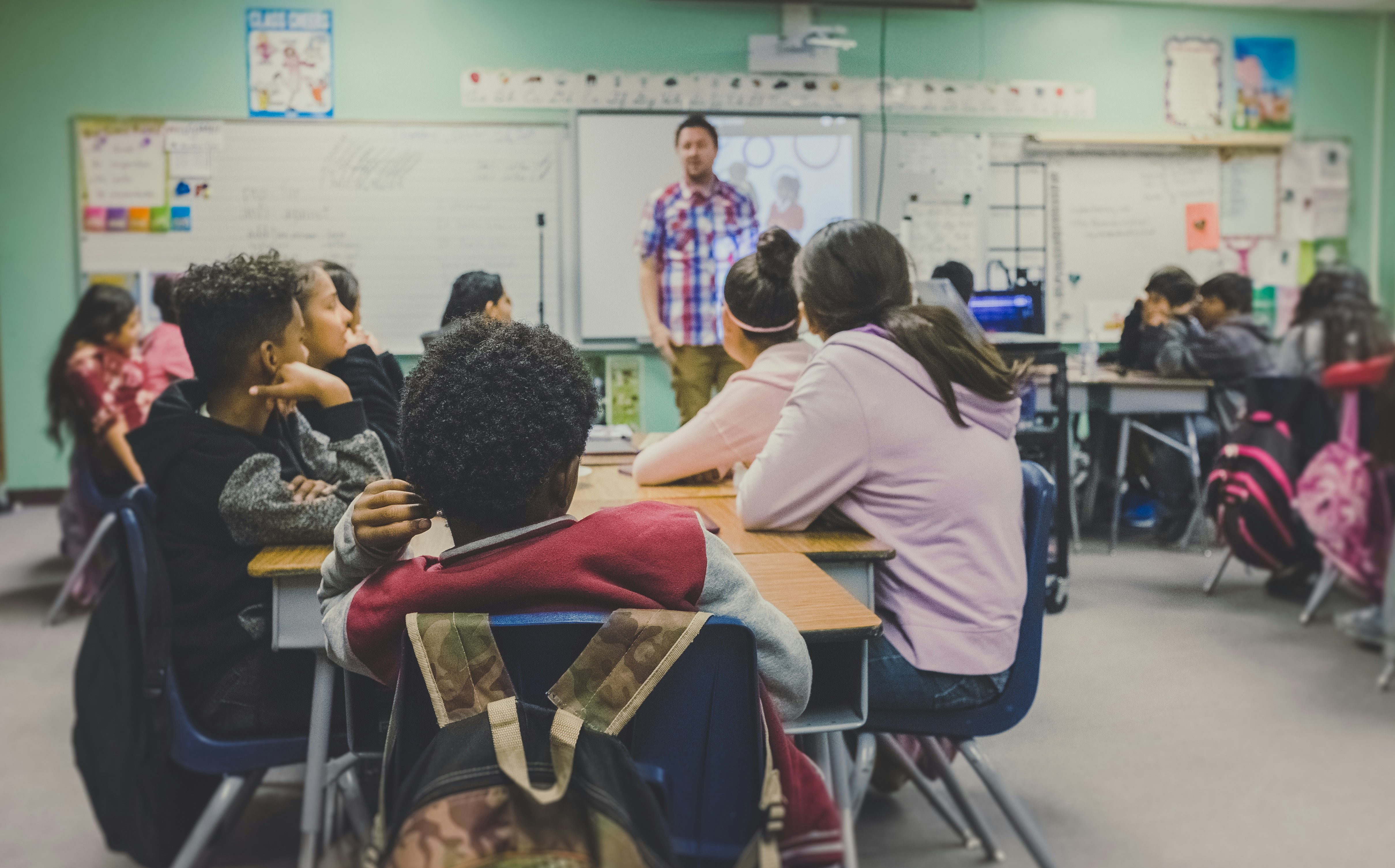
Community education programs naturally counteract this sorting. When a retired teacher, a working parent, and a recent college graduate gather to discuss literature or study local history, they interact across generational and experiential boundaries that rarely intersect otherwise. The classroom becomes a rare democratic space where people encounter genuine difference.
These encounters matter. Research on social capital demonstrates that "bridging" connections—relationships that cross social boundaries—prove crucial for community health and individual wellbeing. Community education creates these bridges organically, through shared intellectual engagement rather than forced diversity initiatives.
Strengthening Local Identity
Global culture increasingly dominates local distinctiveness. Chain stores replace local businesses. National media overwhelms local journalism. Digital platforms connect us globally while disconnecting us locally. In this context, community education programs that focus on local history, culture, and issues help maintain and strengthen local identity.
Classes on local architecture, regional ecology, community history, or local governance keep communities connected to their particular places. Participants develop deeper understanding of where they live, what makes their community distinctive, and how they fit into its ongoing story. This sense of place and belonging becomes increasingly important as global forces homogenize experience.
Creating Civic Capacity
Democratic participation requires more than voting. It demands informed citizens capable of understanding complex issues, evaluating information, engaging in civil discourse, and collaborating on common problems. Traditional K-12 and higher education address these skills, but citizenship education must continue throughout life as issues evolve and civic landscapes shift.
Community education programs contribute to ongoing citizenship education. Classes on current events, public policy, constitutional history, or civic institutions help adults stay informed and engaged. More subtly, the practices of community education—respectful disagreement, collaborative inquiry, seeking understanding across differences—model the civic skills democracy requires.
Supporting Individual Wellbeing
While community education primarily serves collective goods, it also profoundly affects individual participants. Research on adult education consistently shows positive correlations with mental health, life satisfaction, and sense of purpose. Learning provides structure, social connection, intellectual stimulation, and sense of growth—all crucial for wellbeing throughout life.
These individual benefits particularly matter for populations often isolated: retirees no longer embedded in workplace communities, stay-at-home parents disconnected from adult conversation, newcomers to communities lacking established social networks. Community education provides entry points to local social life while offering intrinsically valuable learning experiences.
Economic Accessibility
One distinguishing feature of community education: relative affordability. While traditional higher education costs have skyrocketed, community education typically remains accessible to middle and working-class families. This accessibility matters enormously for educational equity.
Not everyone can afford university tuition or time away from work for degree programs. Community education offers learning opportunities that fit around work schedules, family obligations, and modest budgets. This accessibility ensures that intellectual growth and civic education remain available to all community members, not just the privileged few.
Challenges and Limitations
Community education faces real challenges. Funding remains precarious, depending on local government support, philanthropic grants, and participant fees. Programs must balance accessibility with financial sustainability. Faculty often work part-time with limited compensation. Physical spaces may be borrowed or inadequate.
Participation can also reflect existing inequalities. While community education aims for broad accessibility, actual participants often skew toward better-educated, middle-class, white populations. Truly democratizing community education requires intentional outreach, addressing transportation and childcare barriers, and creating welcoming environments for diverse populations.
Digital and Hybrid Models
Recent years have seen experimentation with digital community education. Online platforms promise greater accessibility and convenience. Yet something important often gets lost in translation. The physical presence, spontaneous conversation, local rootedness, and social connection that characterize effective community education prove difficult to replicate digitally.
Hybrid models may offer promising middle ground: online components increase accessibility while periodic in-person gatherings maintain social connection and local identity. Success likely depends on maintaining the core values of community education—accessibility, dialogue, bridge-building, local focus—regardless of format.
The Future of Community Education
As social fragmentation intensifies and democratic norms weaken, community education becomes more rather than less important. We need spaces where diverse people gather around shared interests. We need ongoing citizenship education that helps adults navigate increasingly complex civic landscapes. We need local institutions that strengthen community identity and connection.
Community education can't solve all social problems. But it creates small, local, replicable spaces where people practice the skills democracy requires: listening across differences, seeking understanding, collaborating on shared learning, building relationships across social boundaries. In aggregate, these small practices may prove crucial for maintaining healthy democratic communities.
Supporting Community Education
Strengthening community education requires multiple forms of support. Local governments should fund public libraries, community centers, and adult education programs as civic infrastructure, not discretionary luxury. Universities might partner more actively with community programs, sharing faculty expertise and resources. Philanthropies could support community education as crucial to democratic health and social cohesion.
Individuals can support community education by participating, volunteering, and advocating for adequate funding. Teaching in community programs shares expertise while strengthening local social fabric. Taking classes builds personal knowledge while contributing to community vitality. These seemingly small acts collectively sustain an important democratic institution.
Conclusion
Community education represents a democratic ideal: accessible learning for all, throughout life, in service of both individual growth and collective flourishing. In providing spaces where diverse people gather to learn together, these programs strengthen social bonds, build civic capacity, and maintain local identity. They remind us that education serves more than individual economic advancement; it builds and maintains the communities that sustain us all.
As we face increasing social fragmentation and weakening civic institutions, community education offers a modest but meaningful response. These programs won't solve everything. But in creating spaces for learning, connection, and civic practice, they nurture the democratic habits and social bonds that healthy communities require. That contribution, while often overlooked in educational policy discussions, may prove essential for sustaining democratic life in an era of mounting challenges.
Join Our Community
Minicourses Madison Library brings together curious adults for intellectual exploration and community connection. Browse our offerings.
Learn More About Us